
June 23, 2026
Growing More Than a Garden at the Philadelphia Innovation Center
By Lauren Tilghman
At Inglis' Philadelphia Innovation Center, something special is growing. What began as a few raised garden beds has blossomed into an opportunity for learning, connection, creativity, and wellness through a therapeutic horticulture program.
This spring, participants gathered every other week to plant flowers, herbs, and vegetables alongside registered horticultural therapist Peg Schofield of Always Keep Growing, LLC and Heroic Gardens, LLC. Together, they transformed a collection of planter boxes into vibrant gardens filled with colorful blooms, fragrant herbs, and vegetables that will continue to grow throughout the summer. But the program is about much more than gardening.
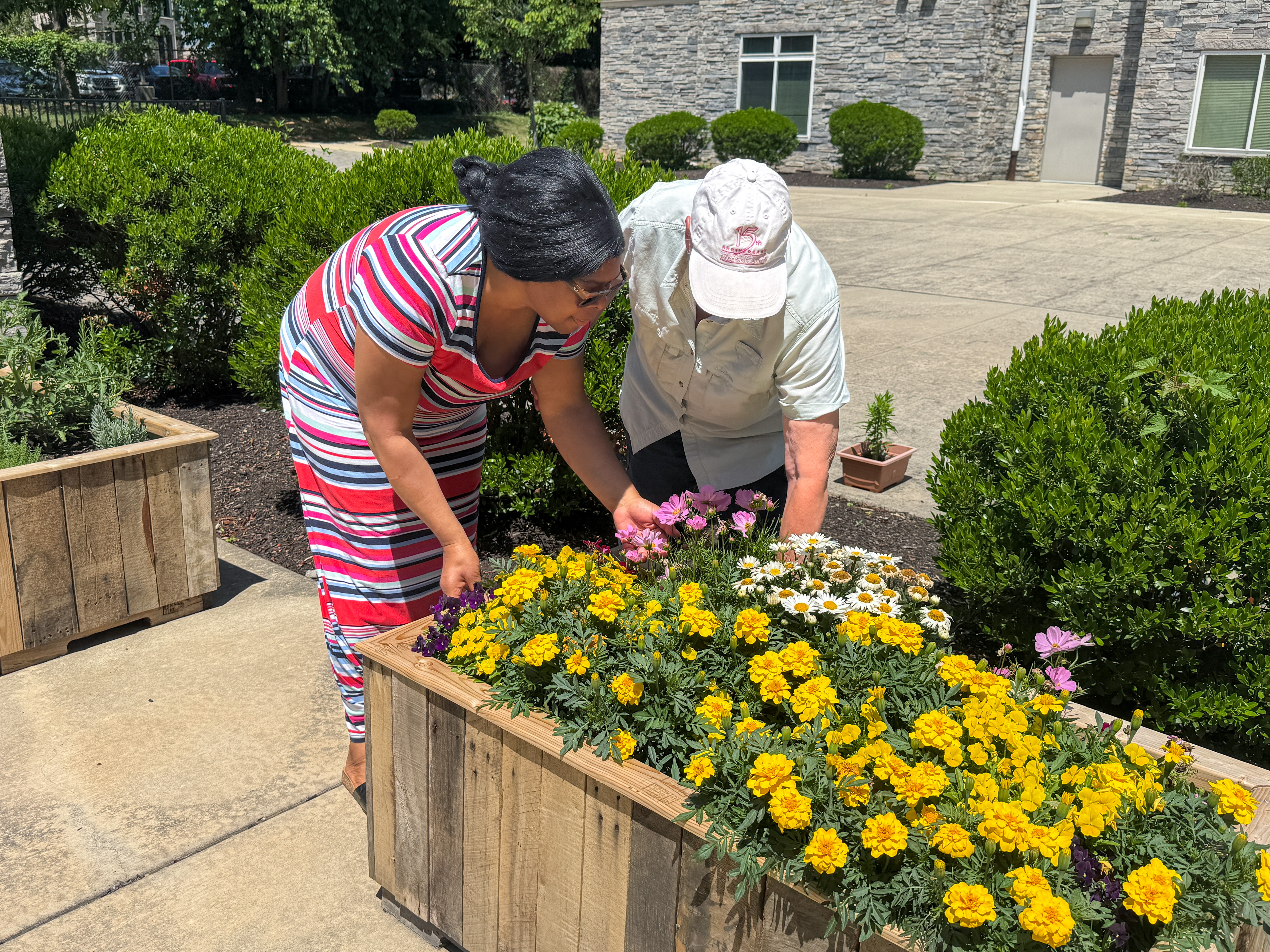
"It's like therapy," said participant Anissa Brown. "I'm learning about different types of plants and herbs and how things grow together. Even though I can't see it, I can feel the beauty of it."
For Anissa, who is blind due to diabetic retinopathy, the Program has become a powerful sensory experience. Through touch, smell, and hands-on participation, she has discovered new ways to connect with nature and the world around her. "When you lose your sight, you start experiencing things differently," explained Brown. "Now I feel things through my hands. The soil feels good. I feel connected through working with my hands. It helps me connect to the earth, to the plants, and to the people around me."
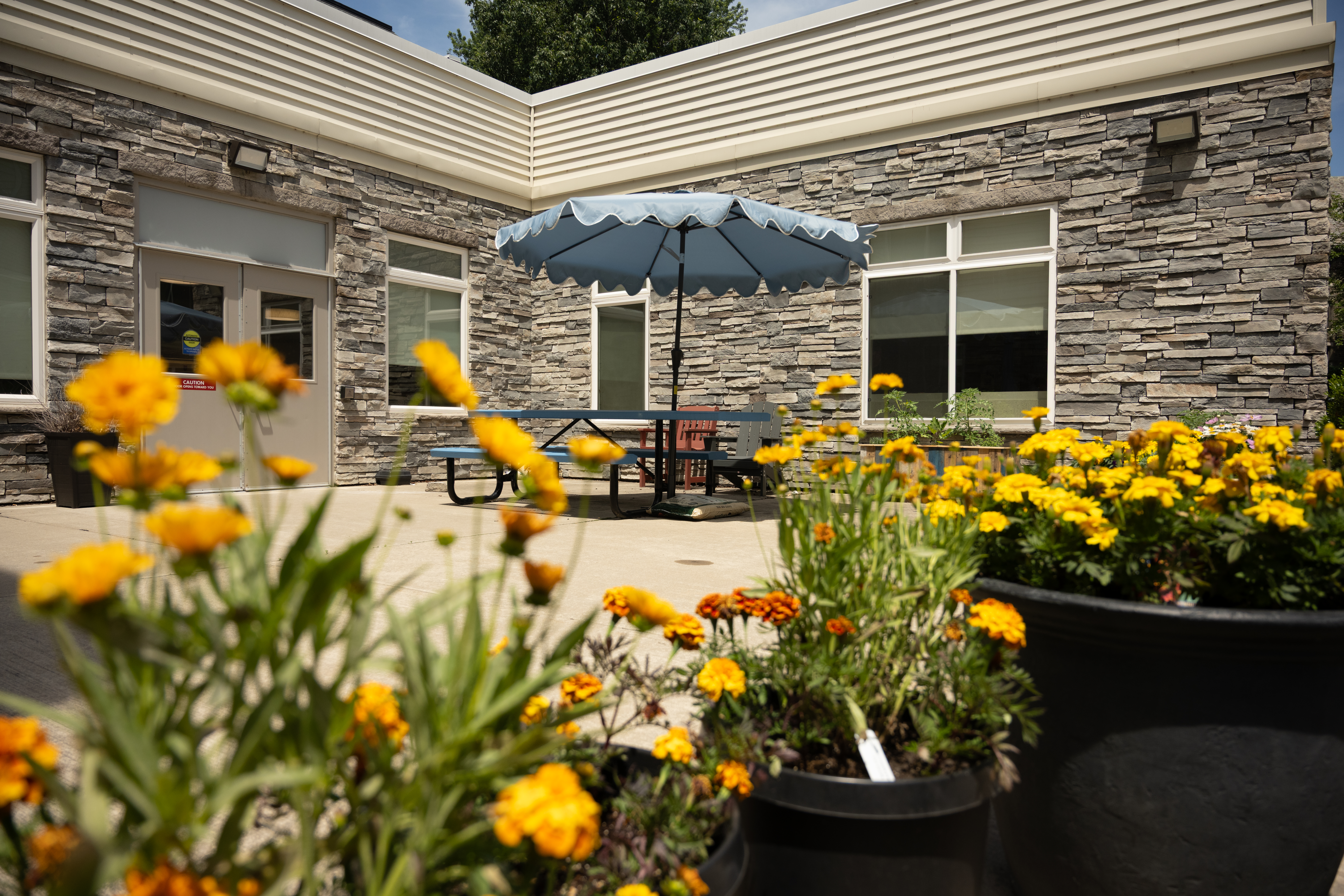
The accessible raised beds were intentionally designed to make participation possible for everyone. Built from recycled wooden pallets and elevated approximately 20 inches off the ground, the beds allow individuals who use wheelchairs or have mobility challenges to comfortably garden alongside their peers. Throughout the six-week program, participants planted tomatoes, eggplant, sage, rosemary, lavender, marigolds, daisies, cosmos, and other seasonal plants. As the flowers bloom, they will attract butterflies, bees, and other pollinators while creating a colorful landscape outside the Philadelphia Innovation Center's community room.
For Peg, who has spent more than two decades practicing horticultural therapy, watching participants engage with the garden is the most rewarding part. "Gardening creates a connection with nature," shared Schofield. "It's grounding. It's physical, but it's also emotional and spiritual. When you're gardening, everyone is on the same playing field. I see incredible things happen every time I work with a group."
One of those moments came while working with Anissa. After handing her a plant and explaining how to dig a hole and place it in the soil, Peg watched as Anissa confidently completed the task. "I realized she understood everything through touch," Schofield said. "She knew exactly where the root ball was, how to place the plant, and how to pat down the soil. I thought I was coming in as the teacher, but I was learning from her."
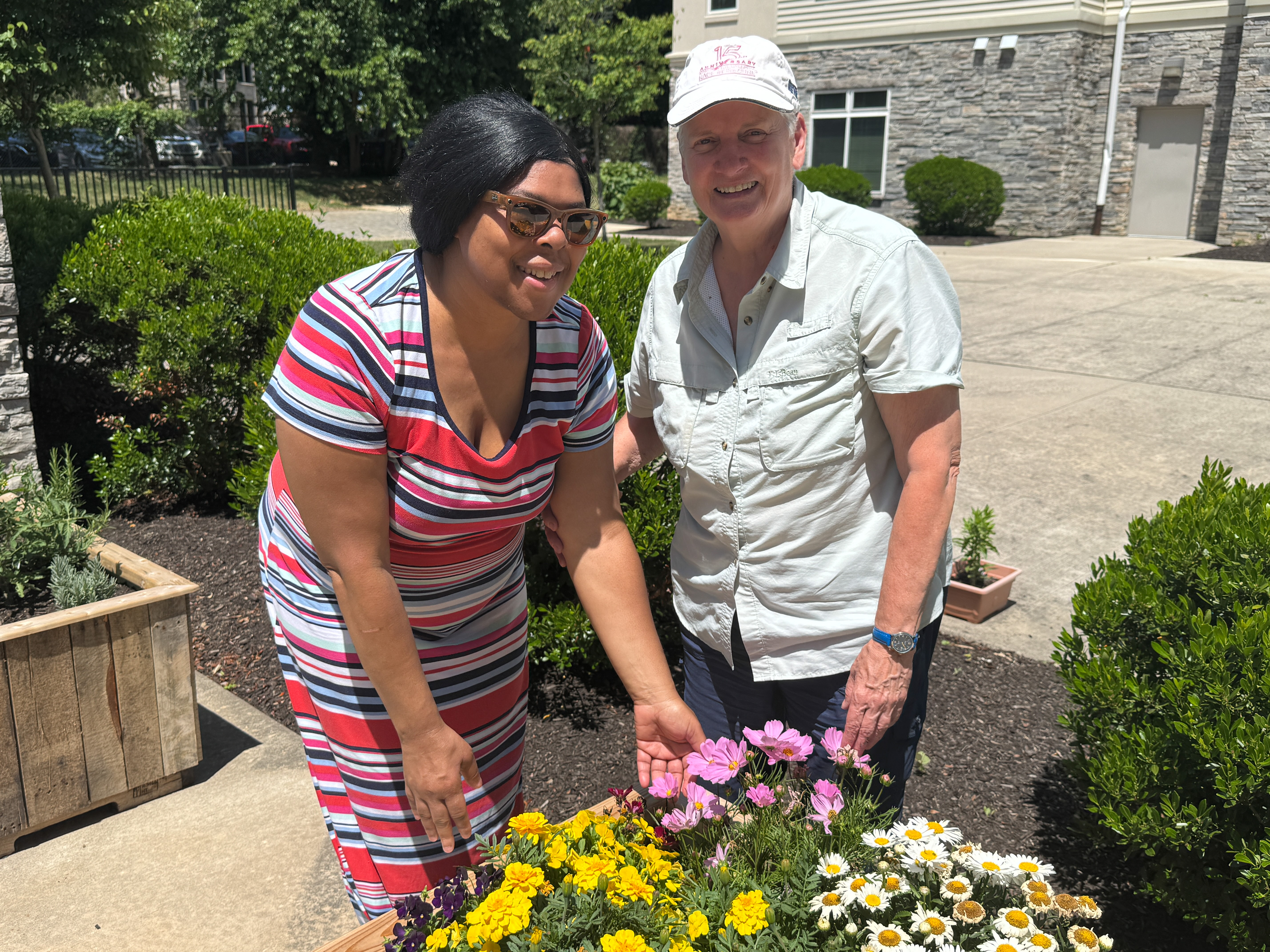
That spirit of mutual learning became a defining part of the program. Participants shared stories, encouraged one another, and celebrated each new bloom and sprout together.
The therapeutic benefits of gardening extended beyond the garden beds themselves. Through conversations about plants and their growth cycles, participants explored themes of patience, resilience, and personal growth. A slow-blooming flower became an opportunity to reflect on life's journey. A thriving herb plant became a reminder that growth often happens when we least expect it.
For Anissa, the impact continued long after each session ended. Inspired by an earlier horticulture workshop, she began caring for plants at home, nurturing the same paperwhite bulbs she had potted in the Program; they have now grown several inches tall. "They became like friends, Brown said with a laugh. "I talked to them every day. It was amazing to watch them grow. It's more than a plant. It's a connection to life, positivity, and energy."
As the garden continues to flourish throughout the season, it serves as a visible reminder of what can happen when people are given opportunities to connect, create, and cultivate together. The flowers, herbs, and vegetables planted this spring will continue to bloom and thrive, but perhaps the most meaningful growth has happened among the people who helped plant them. "It's beautiful" shared Brown.
And that's exactly what the Therapeutic Horticulture Program has created — a beautiful space where people can connect with nature, discover new abilities, build friendships, and experience the joy that comes from nurturing something and watching it grow. At the Philadelphia Innovation Center, the garden is more than a collection of plants. It's a place where confidence takes root, community blossoms, and everyone has the opportunity to grow.