
November 20, 2026
Innovation starts with inclusion
By Dyann Roth, President & CEO
Technology has become the default gateway to healthcare, employment, education and community life. Whether we are scheduling a doctor’s appointment, applying for a job or staying connected with family, the digital world is often the first place we turn. But for millions of older adults and people with disabilities, that same digital world is not a convenience. It is a barrier.
The scale of the problem is striking. The average American now spends more than eight hours a day on digital devices, yet fewer than 5% of websites meet basic accessibility standards. Pennsylvania has the seventh-highest median age in the nation yet ranks just 37th nationally in the share of adults age 65 and older who have both broadband internet and a connected device. As our population ages and the number of people living with disabilities continues to grow, closing this digital divide is no longer optional. These barriers are not the result of individual choice or ability. Instead, they reflect systems and technologies that were never designed with inclusion in mind.
The good news is that Pennsylvania has taken an important step forward through its embrace of the Technology First movement, which prioritizes technology as a primary support for people with disabilities. At its best, Technology First emphasizes person-driven solutions that promote autonomy, engagement and self-determination. Research shows that early and effective use of technology can improve outcomes, increase independence and reduce reliance on direct support professionals.
Yet much of this work nationally has focused on individuals with intellectual and developmental disabilities. While this progress is meaningful, it is incomplete. For the commonwealth to truly lead as a Technology First state, this approach must expand to include older adults and people with all types of disabilities.
Experience shows what happens when technology is treated not as a luxury or a last resort, but as a practical, problem-solving tool for everyday life. Through assistive technology support, home modifications and other community-based supports, individuals can gain the tools they need to live more safely and independently in the settings they choose.
One lesson has emerged consistently: Access alone is not enough. Technology adoption depends on trust, confidence and human connection. Innovation does not succeed simply because a device exists. It succeeds when people feel empowered to use it. That is where innovation truly starts.
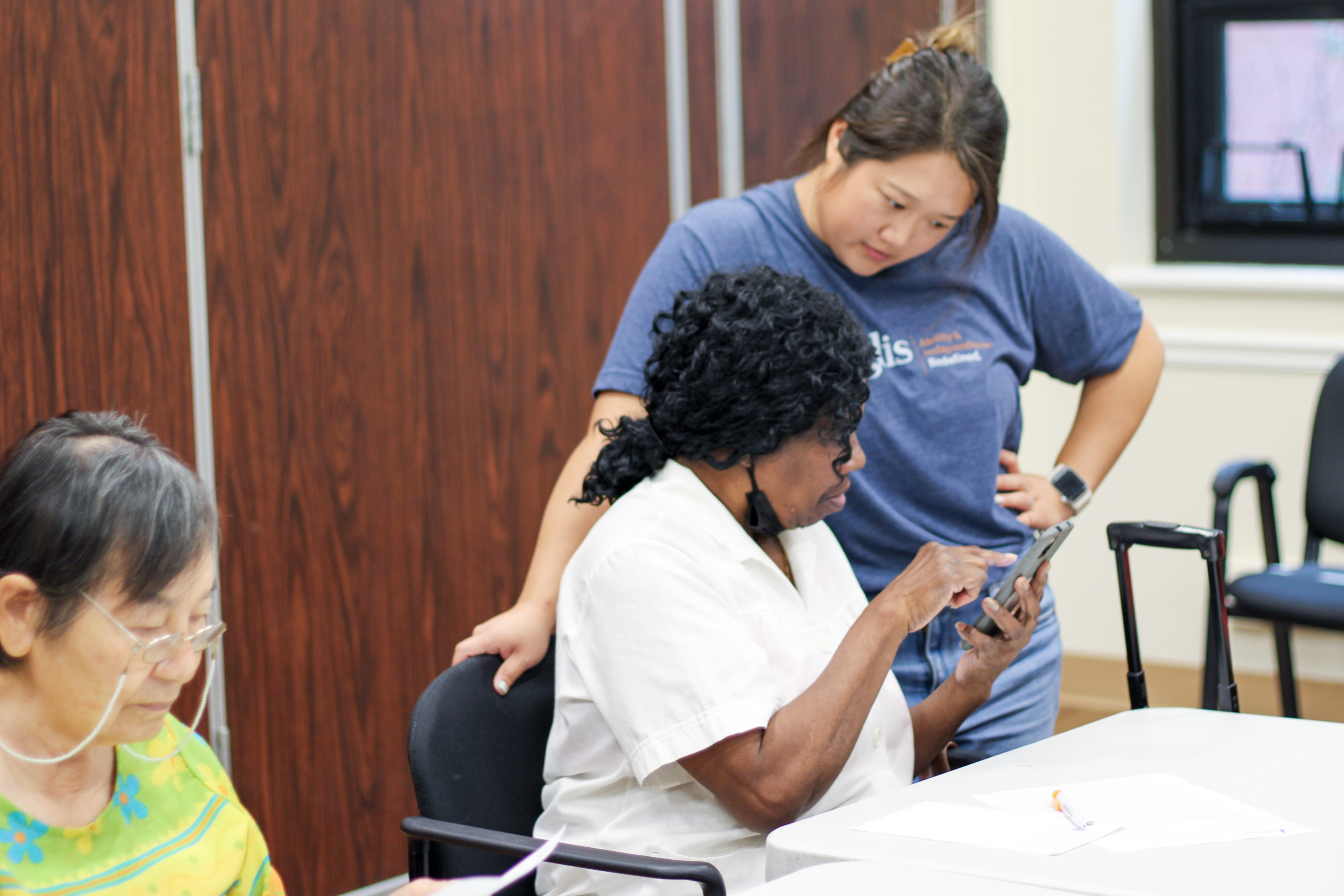
A recent four-week digital literacy workshop at our Pittsburgh Innovation Center illustrates this clearly. Older adults from North Hills Community Outreach gathered to learn about smartphone safety and fundamentals, including how to retrieve login information, download apps, and use features like the camera or flashlight. Participants were engaged, asked thoughtful questions and wanted to keep learning.
These questions were not a sign of inability. They were evidence of unmet demand. Older adults are hungry for Technology First programming that respects their curiosity and supports their independence. Just as important, the workshops created space for social connection. After each session, participants stayed to talk, share stories, and enjoy coffee together. Several shared that it was the first time they truly felt confident using their phones. That confidence has real implications for safety, health access and connection.
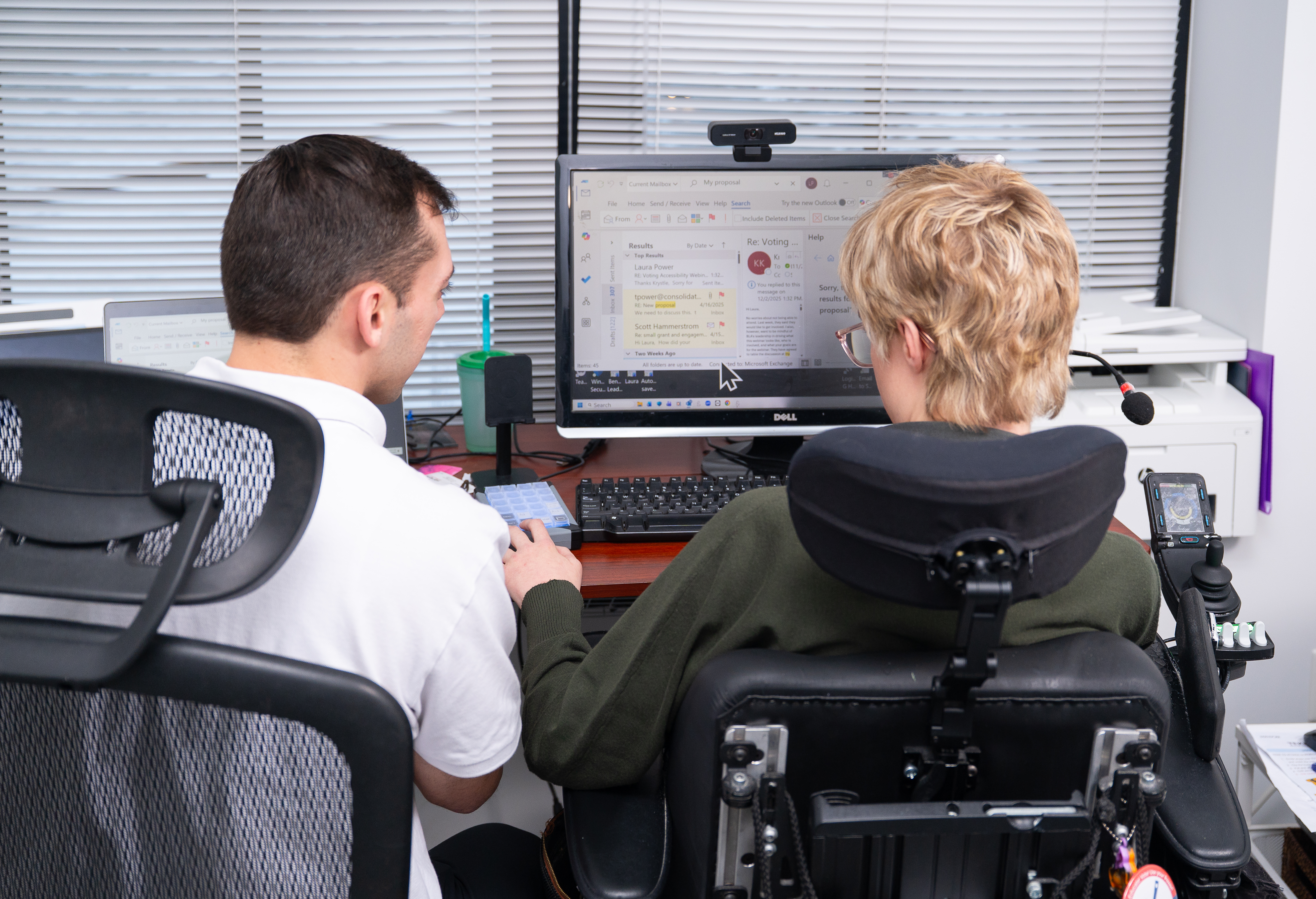
This is what inclusive innovation looks like in practice. It recognizes that technology is not just a tool, but a gateway to participation. It also acknowledges that successful implementation requires investment in people, not just hardware.
If Pennsylvania is to lead in the Technology First movement, policymakers and advocates must commit to building an inclusive digital infrastructure that serves people across the lifespan. That means investing in community-based training and digital literacy, supporting accessible design standards, and ensuring sustainable funding for assistive and mainstream technologies alike.
With the state’s latest budget now enacted, Pennsylvania has an opportunity to build on its investments in older adults and people with disabilities by making inclusive technology a greater policy priority. Such an investment would strengthen independence, reduce isolation, and improve health and community outcomes, while reinforcing Pennsylvania’s role as a national leader in inclusive innovation.
Technology First cannot be measured by intention alone. It must be measured by who is included. Innovation truly starts when everyone, regardless of age or disability, has the tools, support, and confidence to participate fully in community life.
Originally reported on triblive.com